
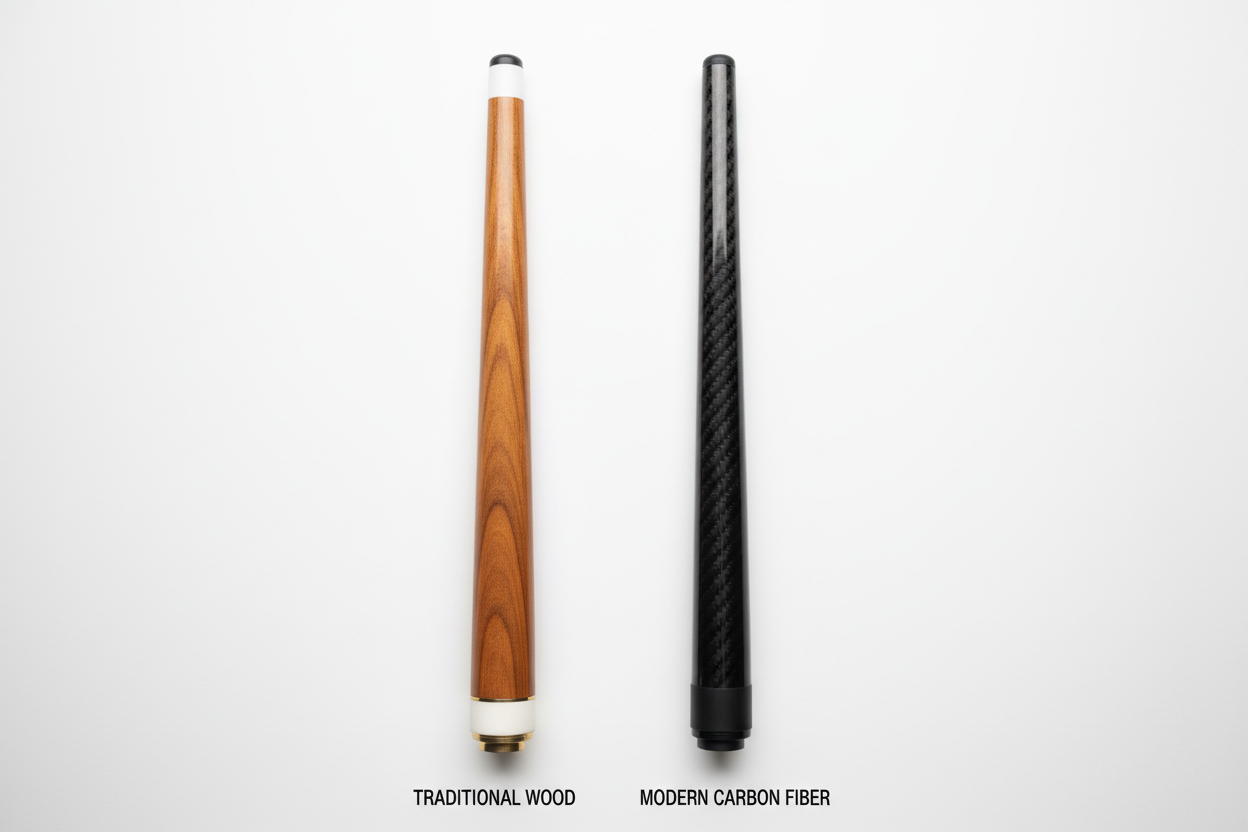
When it comes to choosing a pool cue, the material can make a significant impact on your game. Two popular options are wooden and carbon fiber pool cues. But what are the differences between the two? Let's dive into the details to help you make an informed decision.
Construction and Material
Wooden pool cues are traditionally made from maple wood, known for its durability and flexibility. On the other hand, carbon fiber pool cues are constructed using advanced composite materials, offering a lightweight and stiff design. The choice between the two materials ultimately comes down to personal preference and playing style.
Performance and Playability
Wooden pool cues are favored for their classic feel and natural feedback. They provide a traditional playing experience and are often preferred by players who appreciate the organic touch of wood. In contrast, carbon fiber pool cues offer enhanced stiffness and reduced deflection, resulting in more accurate shots and improved performance.
Durability and Maintenance
Wooden pool cues require more maintenance compared to carbon fiber cues. Wood is susceptible to warping, dents, and scratches, requiring regular care to maintain its integrity. Carbon fiber cues, on the other hand, are highly durable and resistant to warping, making them a low-maintenance option for players looking for longevity.
Weighing the Options
When choosing between a wooden or carbon fiber pool cue, consider your playing style, preferences, and budget. Wooden cues offer a traditional feel and customization options, while carbon fiber cues provide cutting-edge technology and performance benefits. Ultimately, the best choice is the one that suits your individual needs and enhances your gameplay.
Whether you prefer the classic charm of a wooden pool cue or the modern innovation of a carbon fiber cue, both options have their unique advantages. By understanding the differences between the two materials, you can make an informed decision that elevates your pool game to the next level.
0 comments